
In the dynamic landscape of consumer rights and protections, Nigeria stands as a nation striving to ensure fairness and justice for its consumers. With the rapid growth of industries and markets, the need for effective consumer protection mechanisms has become paramount. However, despite regulatory frameworks in place, consumer protection disputes in Nigeria remain a significant concern.
Understanding the Key Issues:
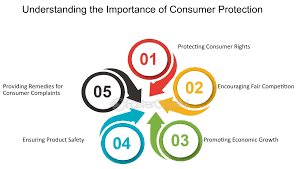
Consumer protection disputes in Nigeria encompass a wide range of issues, including product defects, false advertising, unfair contract terms, and inadequate services. These disputes often arise due to asymmetrical information between consumers and businesses, leading to exploitation and dissatisfaction.
Product Defects: One of the most common consumer complaints revolves around product defects. Whether it’s substandard goods, malfunctioning electronics, or expired consumables, consumers often find themselves on the receiving end of faulty products.
False Advertising: Misleading advertisements lure consumers into purchasing products or services under false pretenses. From exaggerated claims to deceptive pricing strategies, false advertising erodes consumer trust and contributes to disputes.
Unfair Contract Terms: Many consumer contracts contain clauses that unfairly favor businesses, leaving consumers at a disadvantage. These terms may include hidden fees, unilateral modification rights, or restrictive cancellation policies, limiting consumers’ rights and freedoms.
Inadequate Services: Poor service delivery, whether in the hospitality industry, telecommunications, or healthcare, often leads to consumer dissatisfaction. Consumers expect value for their money and can quickly escalate disputes when their expectations are not met.
Legal Framework for Consumer Protection:
To address these challenges, Nigeria has implemented various laws and regulations aimed at safeguarding consumer rights. The Consumer Protection Council (CPC) Act, the Sale of Goods Act, and the Food and Drugs Act are among the key legislations governing consumer protection in the country. Additionally, the Federal Competition and Consumer Protection Commission (FCCPC) plays a vital role in enforcing these laws and ensuring compliance from businesses.
Resolving Consumer Protection Disputes:
Despite the existence of regulatory bodies and legal frameworks, resolving consumer protection disputes in Nigeria can be a daunting task. Many consumers face barriers such as lack of awareness, financial constraints, and bureaucratic hurdles when seeking redress. However, several avenues exist for resolving disputes effectively:
1. Alternative Dispute Resolution (ADR): ADR mechanisms, including mediation and arbitration, offer consumers a faster and more cost-effective means of resolving disputes outside the court system. These methods encourage dialogue between parties and often lead to mutually beneficial outcomes.
2. Consumer Advocacy Groups: Non-governmental organizations (NGOs) and consumer advocacy groups play a crucial role in empowering consumers and amplifying their voices. These organizations provide education, advocacy, and support to consumers navigating the complexities of dispute resolution.
3. Legal Assistance: Consumers facing complex or contentious disputes may benefit from seeking legal assistance. Legal professionals specializing in consumer protection can provide expert guidance and representation throughout the dispute resolution process.
4. Online Platforms: With the rise of e-commerce and digital transactions, online platforms offer convenient avenues for consumers to resolve disputes. Many businesses have dedicated customer service channels or online complaint portals where consumers can lodge their grievances and seek resolution.
Empowering Consumers for a Fairer Future:
As Nigeria continues to evolve economically and technologically, empowering consumers remains essential for sustainable development and economic growth. By enhancing consumer awareness, strengthening regulatory enforcement, and promoting collaborative dispute resolution mechanisms, Nigeria can foster a culture of trust and accountability in its marketplace.
Conclusion:
Consumer protection disputes in Nigeria pose significant challenges to both consumers and businesses alike. However, by prioritizing transparency, accountability, and fairness, stakeholders can work together to mitigate disputes and ensure a thriving marketplace that benefits all. Through proactive measures, effective regulation, and empowered consumers, Nigeria can pave the way for a future where consumer rights are upheld and protected.
· Consumer Protection
· Dispute Resolution
· Product Defects
· False Advertising
· Unfair Contract Terms
· Inadequate Services
· Regulatory Framework
· Consumer Advocacy
· Alternative Dispute Resolution (ADR)
· Consumer Rights
· Legal Assistance
· Federal Competition and Consumer Protection Commission (FCCPC
Contact Us
Chaman Law Firm today. Our offices are conveniently located in Lagos, FCT Abuja, Ogun State, and the UK. We are readily available to assist you with your legal needs. Whether you require consultation, representation, or ongoing legal support, Chaman Law Firm is your trusted partner.
Call us at 08065553671 or email us at info@chamanlawfirm.com to schedule a consultation.