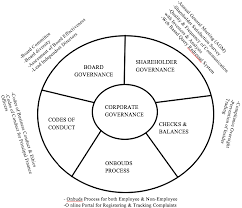

Corporate governance in Nigeria has garnered increasing attention as businesses recognize the importance of sound management practices in ensuring long-term sustainability and attracting investment. Effective corporate governance involves a set of principles and processes that direct and control company activities, ensuring accountability, fairness, and transparency in a company’s relationship with its stakeholders. Despite strides in this area, Nigerian companies still face several challenges, yet there are also notable best practices emerging in the landscape.
Challenges in Corporate Governance in Nigeria
1. Regulatory Compliance: – Many companies struggle with adhering to regulatory requirements due to bureaucratic hurdles, limited resources, and a lack of understanding of governance principles. Compliance with the Companies and Allied Matters Act (CAMA) and other regulatory frameworks can be inconsistent, leading to governance gaps.
2. Transparency and Accountability: – Issues of transparency and accountability are prevalent, often exacerbated by inadequate disclosure practices and weak internal controls. This can lead to mistrust among investors and other stakeholders, hampering the company’s ability to attract capital.
3. Board Composition and Effectiveness: – The effectiveness of boards of directors is often compromised by poor composition, lack of independence, and insufficient expertise. This can result in ineffective oversight and decision-making, adversely affecting the company’s performance and governance standards.
4. Ethical Conduct and Integrity: – Corruption and unethical behavior remain significant challenges. Companies may struggle to establish a culture of integrity, and instances of fraud and misconduct can undermine corporate governance efforts.
5. Shareholder Rights and Engagement: – Protecting and promoting shareholder rights is crucial for good corporate governance, yet many Nigerian companies face challenges in this area. Minority shareholders often lack a voice, and there can be inadequate mechanisms for shareholder engagement and dispute resolution.
Best Practices in Corporate Governance in Nigeria
1. Adoption of Governance Codes: – Nigerian companies are increasingly adopting governance codes such as the Nigerian Code of Corporate Governance 2018. These codes provide a framework for best practices in areas like board composition, risk management, and stakeholder engagement, helping companies align with international standards.
2. Strengthening Board Structures: – Best practices include ensuring a balanced and diverse board with a mix of skills, experience, and independence. Regular board evaluations and training programs can enhance the effectiveness and oversight capabilities of the board.
3. Enhanced Transparency and Disclosure: – Implementing robust disclosure practices, including timely and accurate financial reporting and transparent communication with stakeholders, can significantly improve corporate governance. Companies are increasingly utilizing technology to facilitate better reporting and accountability.
4. Risk Management and Internal Controls: – Establishing comprehensive risk management frameworks and strong internal controls helps companies identify, assess, and mitigate risks effectively. This also involves regular audits and adherence to audit recommendations to ensure financial integrity and operational efficiency.
5. Ethical Standards and Anti-Corruption Measures: – Promoting a culture of ethics and integrity is essential. Companies are adopting anti-corruption policies, codes of conduct, and whistleblower mechanisms to combat unethical behavior and ensure accountability.
6. Stakeholder Engagement: – Effective corporate governance involves active engagement with all stakeholders, including employees, customers, suppliers, and the community. Companies are increasingly focusing on corporate social responsibility (CSR) initiatives and sustainability practices to build trust and enhance their reputations. 7. Shareholder Rights Protection: – Protecting shareholder rights and ensuring fair treatment is crucial. Companies are implementing practices such as providing clear information on shareholder meetings, voting procedures, and dividend policies to empower shareholders and encourage their participation.
Conclusion
Corporate governance in Nigeria is evolving, marked by a growing recognition of the importance of robust governance practices in fostering sustainable business growth and attracting investment. Despite the challenges—such as regulatory compliance issues, transparency deficits, ineffective board structures, ethical lapses, and inadequate shareholder engagement—Nigerian companies are increasingly adopting best practices. These include the adoption of governance codes, strengthening board structures, enhancing transparency, improving risk management, and promoting ethical conduct. By embracing these best practices, Nigerian companies can enhance their governance standards, build investor confidence, and contribute to a more dynamic and sustainable business environment. Continued commitment to addressing governance challenges and implementing sound practices will be essential in realizing the full potential of corporate governance in Nigeria
· Corporate Governance
· Regulatory Compliance
· Transparency and Accountability
· Board Composition
· Ethical Conduct
· Shareholder Rights
· Governance Codes
· Risk Management
· Internal Controls
· Anti-Corruption Measures
· Stakeholder Engagement
· Nigerian Code of Corporate Governance
· Board Effectiveness
· Financial Reporting
· Sustainable Business Growth
Contact Us
Chaman Law Firm today. Our offices are conveniently located in Lagos, FCT Abuja, Ogun State, and the UK. We are readily available to assist you with your legal needs. Whether you require consultation, representation, or ongoing legal support, Chaman Law Firm is your trusted partner.
Call us at 08065553671 or email us at info@chamanlawfirm.com to schedule a consultation.