
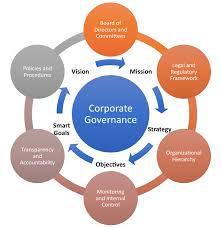

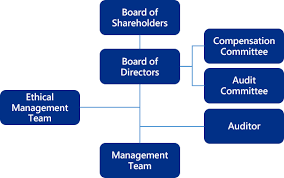
Corporate governance refers to the system by which companies are directed and controlled. It encompasses the practices, processes, and policies that ensure a company operates in a manner that is ethical, accountable, and transparent. Directors play a pivotal role in corporate governance, bearing significant ethical responsibilities to ensure the integrity and success of the organization. This article explores the principles of corporate governance, the ethical duties of directors, and the challenges they face in fulfilling these responsibilities.
Principles of Corporate Governance
Corporate governance is grounded in several core principles designed to promote transparency, accountability, and fairness within organizations. These principles include:
- Accountability: Directors are accountable to the company’s shareholders and other stakeholders, including employees, customers, suppliers, and the community. They must ensure that the company’s actions align with its goals and legal obligations.
2. Transparency: Transparent communication and disclosure of financial and operational information are crucial for building trust with stakeholders. This involves accurate and timely reporting of the company’s performance, risks, and strategic direction.
3. Fairness: Directors must treat all stakeholders equitably and fairly, ensuring that no group is unduly favored or disadvantaged.
4. Responsibility: Directors have a duty to manage the company responsibly, taking into account the long-term sustainability and impact of their decisions on the environment and society.
5. Ethical Conduct: Upholding high ethical standards is fundamental to maintaining the integrity and reputation of the company. Directors must act with honesty, integrity, and in the best interests of the company and its stakeholders.
Ethical Responsibilities of Directors
Directors’ ethical responsibilities are multifaceted, encompassing their duties to the company, shareholders, and broader society. Key ethical responsibilities include:
1. Fiduciary Duty
Directors have a fiduciary duty to act in the best interests of the company and its shareholders. This involves making informed decisions, avoiding conflicts of interest, and prioritizing the company’s welfare over personal gain.
2. Duty of Care
The duty of care requires directors to make decisions with due diligence and competence. They must be well-informed about the company’s operations, financial status, and external environment. This includes regularly attending board meetings, reviewing relevant materials, and seeking expert advice when necessary.
3. Duty of Loyalty
Directors must remain loyal to the company and avoid any conflicts of interest. This includes disclosing any potential conflicts and refraining from activities that could compromise their objectivity or harm the company’s interests.
4. Compliance and Legal Obligations
Directors must ensure that the company complies with all relevant laws, regulations, and industry standards. This includes implementing effective compliance programs, monitoring legal developments, and fostering a culture of ethical conduct within the organization.
5. Stakeholder Engagement
Engaging with stakeholders in a meaningful and transparent manner is crucial for building trust and ensuring the company’s long-term success. Directors should consider the interests and concerns of various stakeholders, including employees, customers, suppliers, and the community, in their decision-making processes.
6. Sustainability and Social Responsibility
Directors have a responsibility to promote sustainable business practices and consider the environmental and social impact of the company’s operations. This includes integrating environmental, social, and governance (ESG) factors into the company’s strategy and decision-making processes
.
Challenges in Fulfilling Ethical Responsibilities
Directors face several challenges in fulfilling their ethical responsibilities, including:
1. Complex Regulatory Environment
Navigating the complex and ever-changing regulatory landscape can be challenging. Directors must stay informed about new regulations and ensure the company complies with all legal requirements.
2. Conflicts of Interest
Conflicts of interest can arise in various forms, such as personal financial interests, relationships with other companies, or competing duties. Directors must be vigilant in identifying and managing these conflicts to maintain their objectivity and integrity.
3. Balancing Short-Term and Long-Term Goals
Directors often face pressure to deliver short-term financial results, which can conflict with the long-term sustainability and ethical considerations of the company. Striking a balance between these competing priorities requires careful judgment and strategic foresight.
4. Stakeholder Expectations
Managing diverse and sometimes conflicting stakeholder expectations can be challenging. Directors must engage with stakeholders, understand their concerns, and make decisions that balance their interests while upholding the company’s ethical standards.
5. Corporate Culture
Fostering a culture of ethical conduct within the organization is crucial but can be challenging. Directors must lead by example, set clear ethical standards, and ensure that these values are embedded throughout the company.
Corporate governance and the ethical responsibilities of directors are fundamental to the success and integrity of any organization. Directors must navigate complex regulatory environments, manage conflicts of interest, balance short-term and long-term goals, and engage with diverse stakeholders. By upholding high ethical standards and prioritizing transparency, accountability, and fairness, directors can contribute to the sustainable success of their companies and the broader society. As stewards of corporate governance, their commitment to ethical conduct is crucial in building trust, fostering innovation, and ensuring the long-term viability of the organization.
Conclusion
Corporate governance is the backbone of any successful organization, with directors playing a crucial role in steering the company towards ethical and sustainable growth. Directors are entrusted with significant ethical responsibilities, including upholding fiduciary duties, ensuring compliance, and engaging with stakeholders transparently. Despite the challenges of navigating complex regulatory landscapes, managing conflicts of interest, and balancing competing priorities, directors must remain steadfast in their commitment to ethical conduct. By adhering to principles of accountability, transparency, fairness, and responsibility, directors not only safeguard the interests of shareholders but also contribute positively to the broader society. Their dedication to corporate governance and ethical leadership fosters trust, drives innovation, and ensures the long-term success and integrity of their organizations.
· Corporate Governance
· Ethical Responsibilities
· Fiduciary Duty
· Transparency
· Accountability
· Duty of Care
· Conflicts of Interest
· Stakeholder Engagement
· Compliance
· Corporate Culture
· Sustainability
· Social Responsibility
Contact Us
Chaman Law Firm today. Our offices are conveniently located in Lagos, FCT Abuja, Ogun State, and the UK. We are readily available to assist you with your legal needs. Whether you require consultation, representation, or ongoing legal support, Chaman Law Firm is your trusted partner.
Call us at 08065553671 or email us at info@chamanlawfirm.com to schedule a consultation.